
Drones lead the takeoff of low altitude economy: dual wheel drive of policy and technology, multi scenario applications reshape the industrial landscape
Introduction: In the future, low altitude economy is expected to play a greater role in logistics transportation, urban transportation, emergency rescue and other fields, becoming a new engine of economic growth.
The latest data released by the State Administration of Taxation in November 2025 shows that the sales revenue of high-tech industries in China increased by 13.6% year-on-year in October, with a surge of 38.4% in sales revenue from drone manufacturing. Behind this impressive data is the industrial transformation driven by the accelerated implementation of the "Artificial Intelligence+" initiative.
From the UAV in Mount Huangshan Scenic Spot to solve the problem of material transportation as a "mountain bearer", to the "medical defense integration UAV special line" in Jinan to achieve the "minute level" delivery of medical samples, UAVs are infiltrating into logistics, medical, cultural tourism, urban management and other fields with diversified application scenarios, becoming the core engine of low altitude economic development.
Under the dual empowerment of policy support and technological innovation, China's low altitude economy has entered a new stage of "large-scale application+safety compliance" from "pilot exploration". The drone industry is facing unprecedented development opportunities, but also challenges such as airspace management and technical standards.
Low altitude economy takes off, drone application scenarios continue to expand
Recently, various regions across the country have been deploying low altitude economy, and the application scenarios of drones are constantly expanding.
In the fields of culture, tourism, and logistics, the application of drones has completely changed the operational logic of traditional business models. Mount Huangshan Scenic Area has long faced the dilemma of aging "mountain porters" and shortage of transportation capacity. After launching the pilot program for normalized transportation of drones in May 2023, a fixed route of 3.2 kilometers will be opened between Ciguangge and Tianhai. The unmanned aerial vehicle responsible for material transportation can carry a weight of 30 kilograms, transporting materials including food and beverages, household waste, etc. As of October 2025, unmanned aerial vehicles have flown a total of 106669 flights and transported 2268.77 tons of materials, which not only reduces labor costs but also minimizes the damage of material transportation to the ecological environment of scenic spots.
According to media reports, Mount Huangshan Scenic Spot has also combined AI computing power to achieve applications in various fields such as forest fire prevention and agricultural and forestry plant protection. For example, during the flight, real-time feedback from the drone can be used to monitor hidden dangers such as pest growth and branch breakage on the tree trunk, so that pesticides can be sprayed regularly to ensure the safety of the trees.
The construction of "low altitude channels" in the medical field has bought valuable time for the treatment of critically ill patients. In Fujian Province, Fuyi Union Hospital has opened a regular medical emergency low altitude route, with a distance of 13 kilometers between Yushan Hospital and Qishan Hospital. It relies on 5G network to achieve point-to-point precise delivery, reducing transportation time by more than 60% compared to traditional roads, providing efficient solutions for fast delivery of inspection samples and emergency material dispatch.
In the field of urban management and public services, drones have become a "airborne weapon" to enhance governance efficiency. The comprehensive administrative law enforcement team of Shiquan Road Street in Shanghai has introduced drones to carry out "aerial duty", covering scenes such as dust monitoring on construction sites, river patrols, and supervision of barbecue stalls at night.
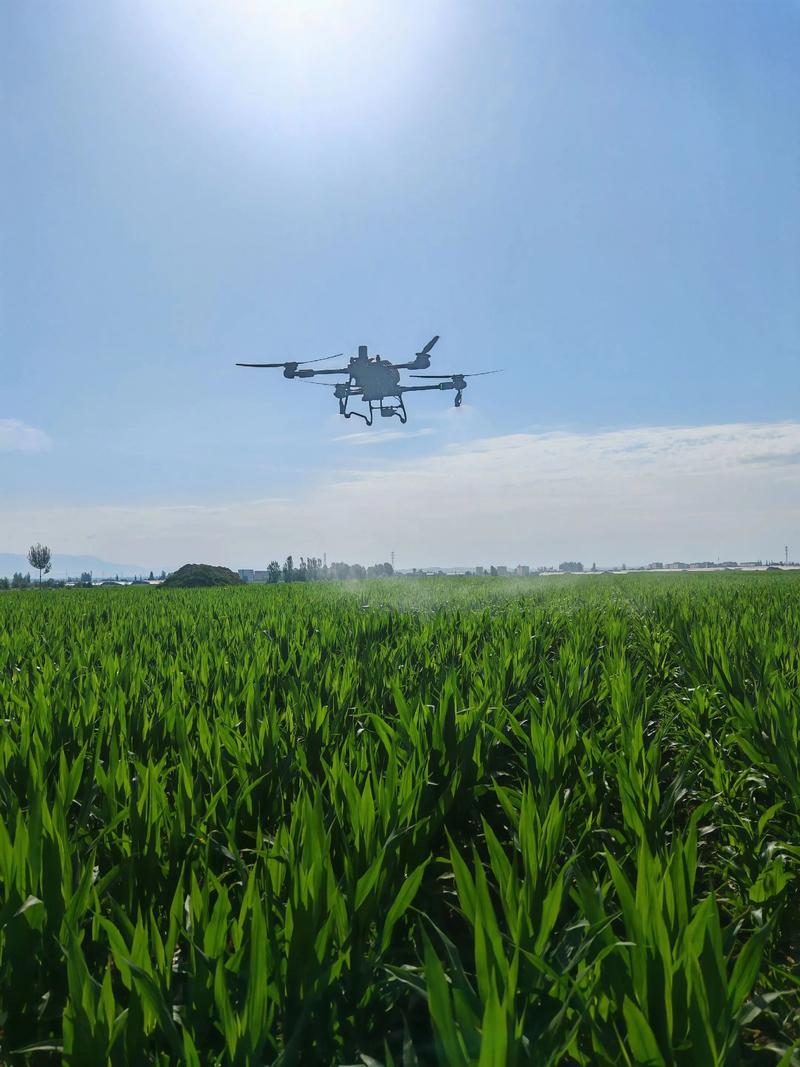
Various cases indicate that drones are extending from traditional fields such as aerial photography and agricultural spraying to broader scenarios such as logistics transportation, medical emergency, and urban management. Drones, with their flexibility and efficiency, are transforming from "toys" to important productivity tools and are becoming an important carrier of the low altitude economy.

Zheng Lei, Chief Economist of Samoyed Cloud Technology Group, pointed out that the data on drone manufacturing and sales revenue indicates that China's drone industry is in a stage of rapid development. The trend of steady growth in consumer grade drones and rapid growth in industrial grade drones has formed, with application scenarios deepening from entertainment to productivity tools. Drones are increasingly widely used in agriculture, logistics, surveying, security, and other fields, and the industrial ecosystem is gradually improving. A complete ecosystem of "upstream R&D and manufacturing midstream system integration downstream application services" has been formed, covering all categories such as fixed wing, multi rotor, unmanned helicopter, and composite wing.
Policy protection and technological breakthroughs
The rapid development of the drone industry cannot be separated from strong policy support. The latest data released by the State Administration of Taxation shows that the sales revenue of drone manufacturing increased by 38.4% year-on-year, which is a remarkable figure driven by the continuous release of policy dividends
In recent years, China has issued a series of policies in the field of low altitude economy, from top-level design at the national level to specific implementation plans of local governments, forming a comprehensive policy support system. In 2024, the concept of "low altitude economy" was first included in the government work report, which clearly stated the need to actively build new growth engines such as biomanufacturing, commercial aerospace, and low altitude economy. This provides a clear direction for the development of the drone industry.
On November 21, 2025, the Ministry of Transport held a departmental meeting to review multiple regulations, including the "Airworthiness Regulations for Normal Rotorcraft", and clearly proposed to accelerate the safe and orderly development of low altitude economy, and to set a "red line" and "bottom line" for the safe operation of the industry.
Local governments have also introduced supporting policies to support the development of low altitude economy. Anhui and other regions have issued special policies to provide support in infrastructure construction, application scenario expansion, and industrial ecological cultivation.
The sustained release of policy dividends provides vast space for technological innovation. With the deep integration of technologies such as 5G, artificial intelligence, satellite IoT, and the drone industry, the performance of low altitude aircraft has achieved a leapfrog improvement. At the 2025 China "5G+" Industrial Internet Conference, the Ministry of Industry and Information Technology announced the official launch of the commercial test of China's satellite Internet of Things business. The test period is two years. It will provide low-speed data connection for the area without ground network, cover vehicles, ships, aircraft, wearables and other terminals, and synchronously establish a safety supervision system. This measure provides technical support for the cross regional and long-distance operation of UAVs.
In the core technology field, the independent innovation achievements of enterprises are significant. The "Kunpeng Intelligent Fly Digital Low altitude Flight Management Service System" independently developed by Jinan Low altitude Economic Development Group has achieved one click approval of flight plans, real-time monitoring throughout the process, and data traceability management, effectively solving the problem of urban airspace control. With the support of this system, the "Medical Defense Integration UAV Special Line" in Jinan city has compressed the traditional ground sample transportation time by 60% and established a "dual backup" emergency mechanism. In the event of a main route obstruction, the backup plan can be activated within 5 minutes to ensure "zero interruption" of transportation.
Sichuan Power Grid innovatively adopts a combination of "unmanned aerial vehicles+flaw detection robots" to carry out "CT" type physical examinations for ultra-high voltage lines. The robots are equipped with X-ray scanning equipment and can complete the inspection of all metal fittings on the four split conductors in 10 minutes. Compared with traditional operation methods, the per capita efficiency is increased by 10 times, and the risk of high-altitude operations is completely avoided.
The improvement of airworthiness certification system also provides strong support for the implementation of technology. After acquiring the core assets of Volocopter GmbH in Germany, Zhejiang Wanfeng Aowei has accelerated the airworthiness certification of eVTOL (electric vertical takeoff and landing aircraft) models. Currently, it has completed the certification of general aircraft eVTOL、 Multi scenario drone product layout lays the foundation for commercial operation.
Zheng Lei stated that with the continuous improvement of industrial policies and industry norms, and the gradual implementation of airworthiness regulations such as the "Airworthiness Regulations for Normal Rotorcraft", "Airworthiness Regulations for Transport Rotorcraft", and "Airworthiness Regulations for Propellers", the low altitude economy will become more standardized and orderly, providing a favorable development environment for emerging fields such as drones and electric vertical takeoff and landing aircraft. In the future, low altitude economy is expected to play a greater role in logistics transportation, urban transportation, emergency rescue and other fields, becoming a new engine of economic growth.
Construction of Industrial Ecology and Future Challenges
With the continuous expansion of the low altitude economy market, enterprises are accelerating the layout of various links in the industrial chain, forming a diversified industrial ecology. Listed companies have become the main force in industrial development with their financial and technological advantages.
For example, Zhejiang Wanfeng Aowei focuses on the manufacturing of general aviation aircraft, integrates resources through overseas mergers and acquisitions, and builds a general aviation system eVTOL、 Multi scenario product matrix for drones; Shuanglin Corporation focuses on the core component field and plans to develop a series of 30kW to 250kW aircraft electric drive products, among which the 230kW oil cooled electric drive system sample has reached the design target; Changhua Group has received orders worth over 300 million yuan from a well-known domestic flying car company to provide metal and lightweight aluminum parts.
Small and medium-sized enterprises, as well as innovative enterprises, are also emerging in niche markets. For example, Tianjin Yunsheng Intelligence proposed the concept of "fully automated airport" and developed the "killer whale" industrial drone and "tiger hole" fully automated airport, breaking the dependence of industrial drones on pilots; As a leading enterprise in drone fleet performances, Yifei Intelligent Control will hold performances in more than 30 cities at home and abroad during the New Year holiday in 2024, driving drone orders to the end of the first quarter of the following year. This industry pattern of "leading by leaders and small and medium-sized collaboration" injects sustained vitality into the low altitude economy.
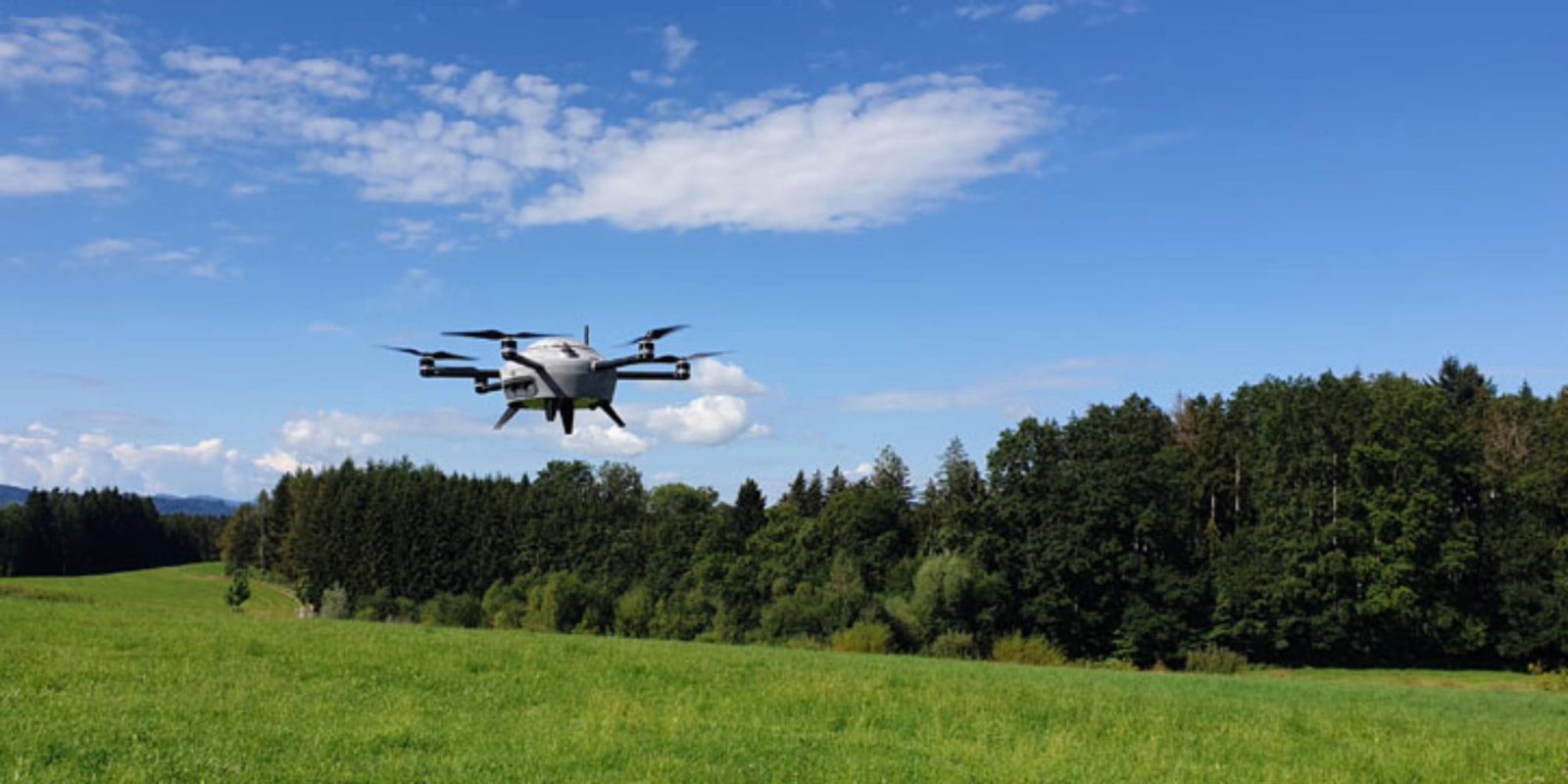
The acceleration of infrastructure construction provides support for the large-scale development of industries. Luogang Park in Hefei City was transformed from an old airport and has opened more than 30 low altitude application scenarios, covering areas such as food delivery, cultural tourism, communication and navigation, and drone countermeasures; Cities such as Shenzhen and Zhuhai are laying out a network of "flying taxis". The electric vertical takeoff and landing aircraft "Shengshilong" has completed a simulated manned flight across the sea and city from Shenzhen to Zhuhai in 2024, taking only 20 minutes to complete a 2.5-3-hour journey on the ground. It is expected to start manned operations in 2026. The improvement of these infrastructures is gradually building the prototype of the 'air traffic network'.
Despite the vast prospects of the drone industry, it still faces many challenges. In Zheng Lei's view, the drone industry still faces problems such as insufficient localization capability of core components, technological shortcomings in endurance and load capacity, outdated low altitude airspace management methods, and immature business models. Opportunities lie in the release of policy dividends, accelerated technological iteration, and deep integration and expansion of application scenarios from over 100 to smart cities. The low altitude economy is entering the "substantial growth period" from the "concept introduction period", and the next 5-10 years will be a golden development window period.
He stated that companies should pay attention to the tightening of airworthiness certification, airspace approval, and data security supervision when laying out low altitude economy, and need to lay out TC/PC/OC certification in advance. Enterprises can enter from the following sub sectors: first, industrial grade drones, such as agricultural crop protection, power inspection, etc; The second is urban air traffic, such as cargo drones and manned aircraft; The third is drone services, such as data collection, operation and maintenance. These fields have a large market space and obvious growth potential. Enterprises can focus on layout in the Pearl River Delta (with Shenzhen as the core and the most complete industrial supporting facilities), the Yangtze River Delta (Shanghai, Hangzhou, with strong policy support), and the central region (Hunan, Anhui, pilot airspace reform) based on their own advantages.