
Has the global scale of drones exceeded 380 billion yuan? Who is the king among countries vying for supremacy?
By 20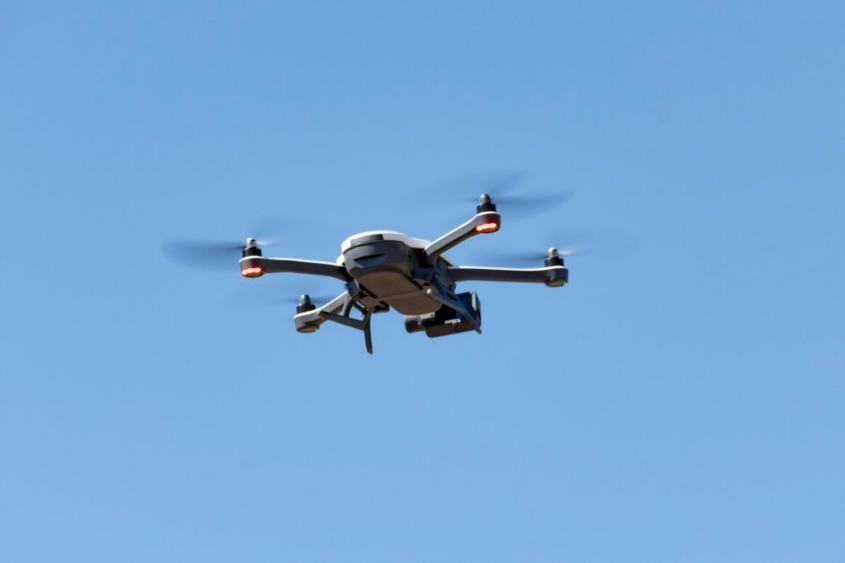 25, the drone industry has fully upgraded from the early stages of "military specific" and "model airplane toys" to "aerial digital bases" that support multiple fields such as agriculture, logistics, security, surveying, film and television, and environmental protection. The global market size has exceeded 380 billion yuan, with China accounting for 42% of the market share, reaching 160 billion yuan, and a compound annual growth rate of over 25%. The explosive growth of this industry is due to the synergistic effects of technological breakthroughs, expanded application scenarios, policy loosening, and capital inflows. The editor will conduct a detailed analysis from six dimensions: technological status, application scenarios, market size, policy environment, competitive landscape, challenges and opportunities.
1、 Technological Status: Comprehensive Upgrade from "Mechanical Flight" to "Intelligent Ecology"
Core hardware innovation:
Power system: The lithium battery energy density has been increased to 400Wh/kg, supporting drone endurance of over 90 minutes; Hydrogen fuel cell unmanned aerial vehicles have achieved a 3-hour long endurance and have been widely applied in logistics and surveying fields.
Navigation and obstacle avoidance: Multi sensor fusion (GPS+RTK+vision+millimeter wave radar) achieves centimeter level positioning accuracy, and the active obstacle avoidance distance is extended to 200 meters, greatly improving the safety of operations in complex environments such as urban buildings and forests.
Load capacity: Industrial grade unmanned aerial vehicles can carry a maximum load of 500 kilograms and can be equipped with various types of sensors such as hyperspectral cameras, LiDAR, gas detectors, etc., meeting the needs of agricultural crop protection, power inspection, emergency rescue and other scenarios.
Software and AI Empowerment:
Autonomous Flight System: Based on deep learning path planning algorithms, it can automatically avoid dynamic obstacles (such as birds and kites) and achieve end-to-end fully automated operations.
Data processing platform: images and data collected by UAVs are processed in real time through edge computing to generate farmland pest distribution maps, building crack detection reports, etc., which directly guide production decisions.
Cluster control technology: A hundred level drone cluster can collaborate to complete large-scale event security, forest firefighting, and other tasks, demonstrating the collaborative combat capabilities of the "Airborne Robot Corps".
2、 Application scenarios: explosive scenarios from "single function" to "global coverage"
Agricultural crop protection: More than 60% of the 1.8 billion acres of arable land in China use drones to spray pesticides, which is 50 times more efficient than manual labor and increases pesticide utilization by 30%. Plant protection drones have also expanded their functions such as sowing, pollination, and crop monitoring, becoming the core equipment of "smart agriculture".
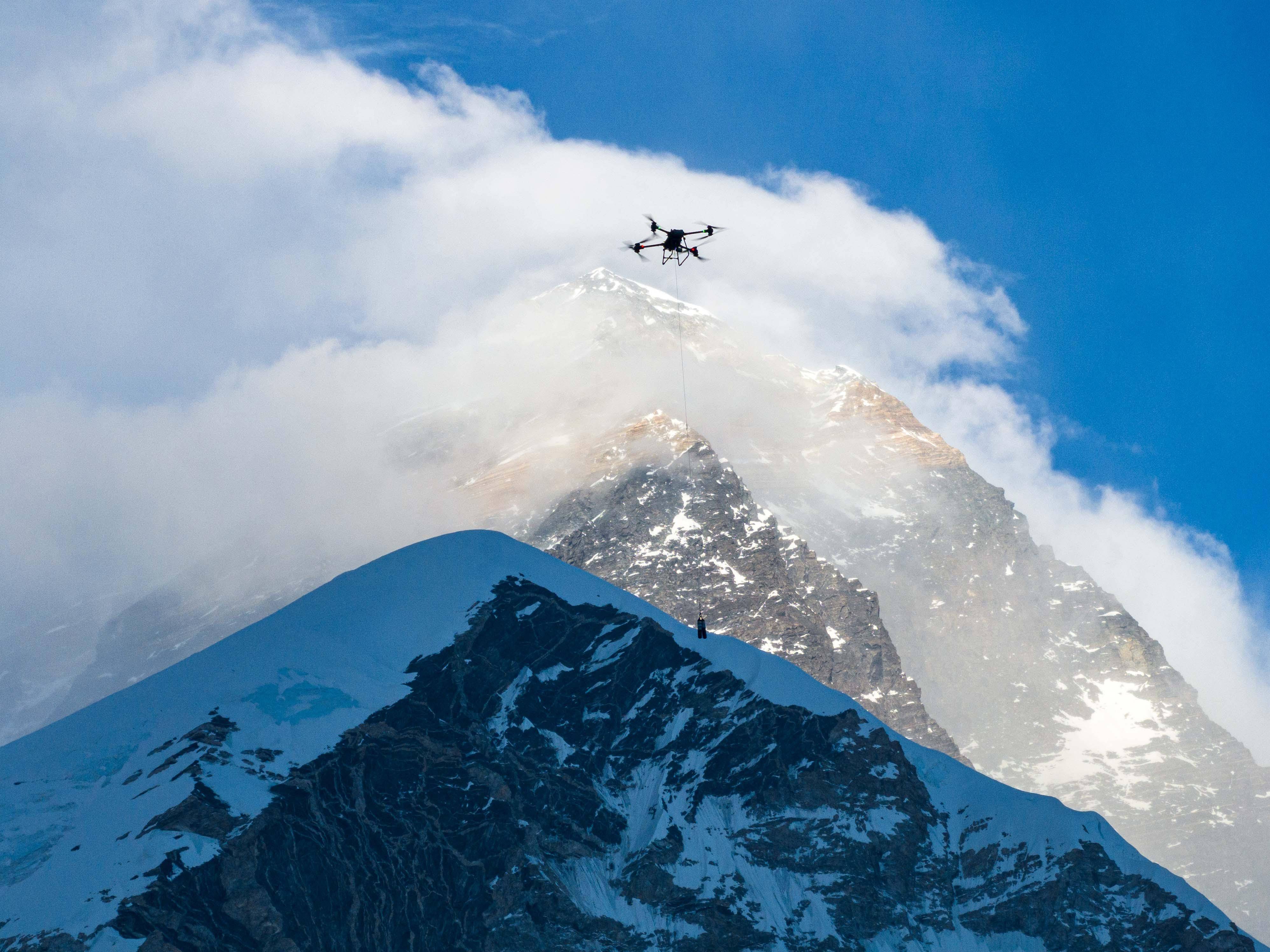
Logistics delivery: Enterprises such as SF Express, JD.com, and Meituan have deployed over 150000 logistics drones, with an average daily delivery volume of over 2 million orders. In areas with inconvenient transportation such as mountainous regions and islands, drones can achieve "last mile" rapid delivery, reducing costs by 40% compared to traditional methods.
Security monitoring: Public security and fire departments use drones for high-altitude reconnaissance, fire monitoring, and crowd evacuation guidance. In large-scale events such as the Olympics and CIIE, drone swarms achieve "integrated air ground" security, real-time transmission of high-definition images, and warning of abnormal behavior.
Surveying and Infrastructure: Land and resource surveys, power inspections, and bridge inspections rely on unmanned aerial vehicles equipped with laser radar and high-precision cameras to generate 3D models with millimeter level accuracy, greatly improving engineering efficiency and safety.
Film and Media: The film and television industry has extremely high requirements for the accuracy and stability of drone aerial photography. Technologies such as gimbal stabilizers, 8K cameras, and AI tracking shooting make "aerial lenses" a standard for movies, documentaries, and live broadcasts.
Environmental Protection and Emergency Response: Drones play an important role in air quality sampling, wildlife conservation, and flood monitoring. In the 2025 Henan floods, drones will be used to deliver emergency supplies and set up temporary communication base stations, becoming the "lifeline of the air".
3、 Market size: Strong global growth, China leading industrial upgrading
Global market: According to Frost&Sullivan data, the global drone market is expected to reach 380 billion yuan by 2025, with consumer grade drones accounting for 35% and industrial grade drones accounting for 65%. The United States, Europe, and China are the main markets, accounting for over 80% of the total market share.
Chinese market: The scale of China's drone industry has reached 160 billion yuan, accounting for 42% of the global market. Shenzhen, known as the "City of Drones," gathers leading enterprises such as DJI, Daotong Intelligence, and Jifei Technology to form a full chain ecosystem of "research and development manufacturing application service.
Segmented fields: The market size of agricultural crop protection drones exceeds 40 billion yuan, logistics drones exceeds 30 billion yuan, security monitoring exceeds 20 billion yuan, film and television aerial photography exceeds 15 billion yuan, and surveying and infrastructure exceeds 10 billion yuan.
Corporate performance: DJI occupies 70% of the global consumer grade drone market share, and the industrial grade market is gradually breaking through; Jifei Technology has a market share of over 50% in the field of agricultural plant protection; SF Express and JD.com are in a leading position in logistics drone applications.
4、 Policy Environment: Governance Transformation from "Strict Regulation" to "Precise Policy Implementation"
Airspace management: The Civil Aviation Administration of China has implemented the "low altitude airspace reform" and piloted "unmanned aerial vehicle dedicated airspace" in 14 provinces, simplifying the flight approval process and achieving "fly and audit".
Standards and Certification: The Interim Regulations on the Flight Management of Civil Unmanned Aerial Vehicles have been issued, clarifying rules for the classification, registration, operator qualifications, and airspace use of unmanned aerial vehicles. The Civil Aviation Administration of China (CAAC) has issued over 200000 licenses for drone operators, promoting industry standardization.
Privacy and Security: In response to issues such as drone "black flying" and privacy breaches, the "Drone Data Security Management Measures" have been introduced, requiring companies to encrypt and store flight data, and prohibiting illegal collection of sensitive information such as faces and license plates.
International Cooperation: China strengthens cooperation with the European Union and the United States in drone standards, airworthiness certification, airspace management, and other areas to promote the construction of a "global drone governance system".
5、 Competitive Landscape: Ecological Evolution from "Monopolar Dominance" to "Diversified Symbiosis"
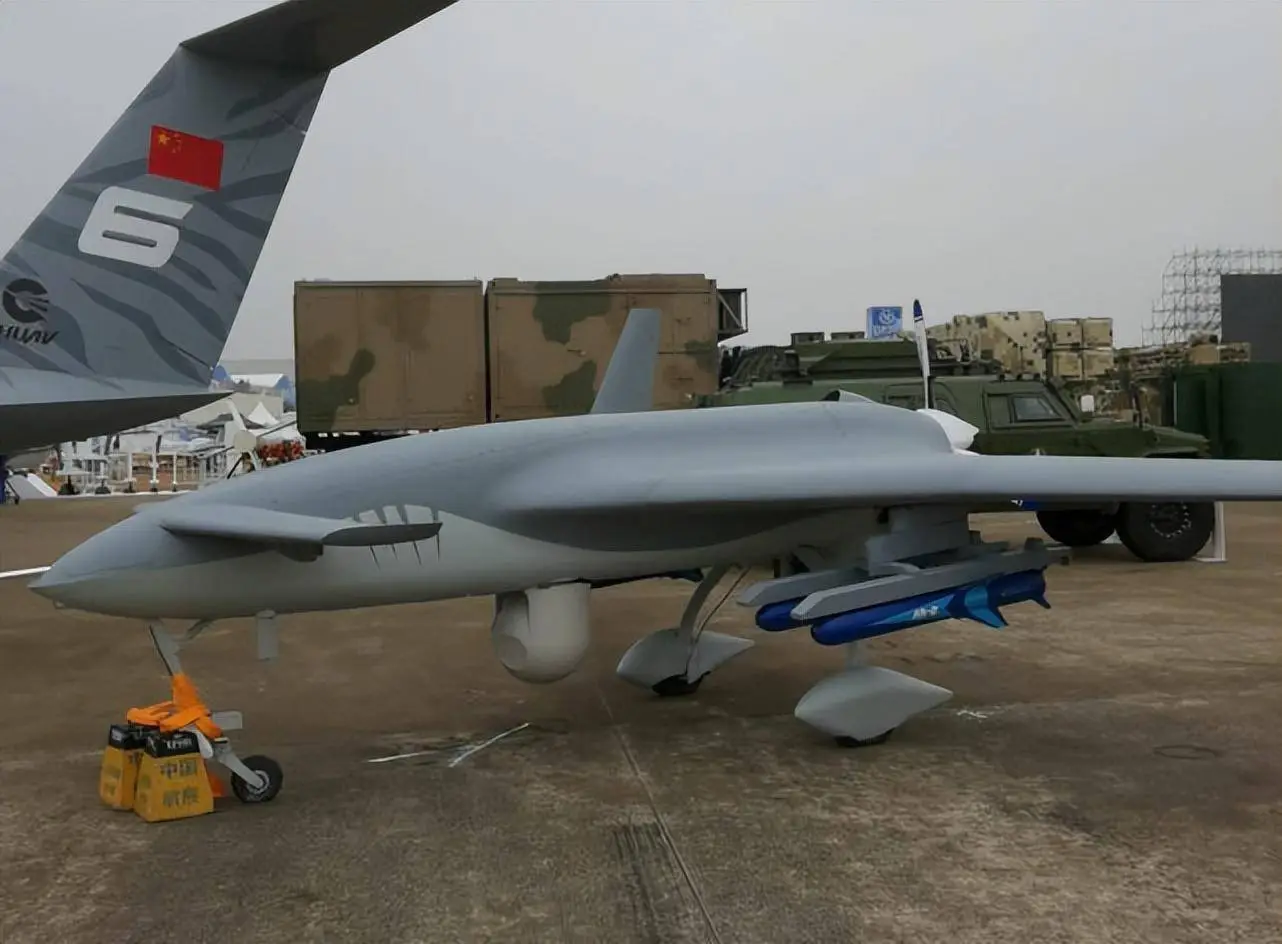
Top enterprises: DJI maintains an absolute advantage in the consumer market while expanding into the industrial market; Jifei Technology deeply cultivates agricultural plant protection; SF Express and JD.com focus on logistics distribution; Aerospace Science and Industry Corporation and AVIC dominate the military and high-end industrial grade unmanned aerial vehicle fields.
Small and medium-sized enterprises: A large number of startups have emerged in niche fields such as drone training, data processing, and customized solutions, forming an ecological pattern of "large enterprises setting the stage, small and medium-sized enterprises playing the role".
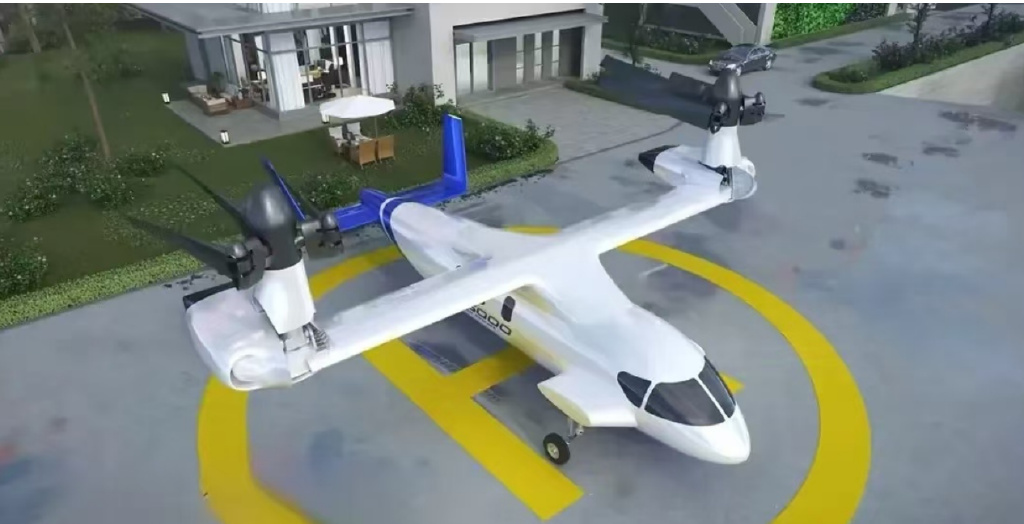
Cross border competition: Technology giants such as Huawei and Tencent have entered the field of drones through investment and cooperation, promoting the integration and innovation of "drones+5G+AI"; Automobile companies such as BYD and Geely are exploring the collaborative application of "flying cars" and drones.
International competition: The United States and Israel are leading in military drone technology; Europe has advantages in industrial drone standards and environmental applications; China is at the forefront of the world in terms of market size and industrial chain integrity.
6、 Challenges and Opportunities: Continuous Breakthrough from "Technological Bottleneck" to "Value Creation"
Challenge:
Technical bottleneck: battery life, obstacle avoidance accuracy, and anti-interference ability still need to be improved; The robustness of AI algorithms in complex scenarios needs to be strengthened.
Security issues: Security risks such as drone "black flying", privacy breaches, and collision risks need to be addressed through both technical and regulatory means.
Market expansion: Some application scenarios (such as urban air traffic) are still in the pilot stage, and the business model needs further validation.
opportunity:
Policy dividend: "Low altitude economy" has been included in the national strategy, and various regions have introduced subsidies, tax incentives, and other policies to support the development of the drone industry.
Technological integration: The deep integration of 5G, AI, big data, and drones has given rise to new scenarios and models of "drones+industry applications".
Globalization: Chinese drone companies are accelerating their "going global" efforts, expanding their markets in Southeast Asia, the Middle East, Africa, and other regions, and participating in global competition.