
Boeing Acquires Zipline for $4.3 Billion, Targeting the Global Blue Ocean of Low-Altitude Medical Logistics
In February 2025, Boeing, a global leader in the aviation industry, officially announced the full acquisition of Zipline, a U.S.-based drone logistics company, for $4.3 billion. This landmark transaction not only sets a record in the low-altitude medical logistics sector but also signifies that traditional aviation giants are fully entering the low-altitude economy, embarking on a journey to restructure the global medical emergency delivery system. This acquisition is not a simple capital integration, but a strategic move by Boeing to leverage its own aviation technology accumulation, integrate Zipline's large-scale operational experience in medical logistics, and fully deploy a global low-altitude medical logistics network.
As a leader in the global aviation manufacturing industry, Boeing's cross-border acquisition is driven by the dual trends of the rise of the low-altitude economy and the upgrading of medical logistics. In recent years, global demand for medical emergencies has been on the rise. Traditional ground-based medical logistics, restricted by terrain, transportation, climate and other factors, have obvious shortcomings in scenarios such as coverage of remote areas and delivery of emergency supplies. In contrast, drone logistics, with its advantages of efficiency, flexibility and contactlessness, has become a key path to solving the pain points of medical logistics. According to industry data, the global market size of medical logistics drones reached 4.7 billion yuan in 2024, with a compound annual growth rate exceeding 120%, of which the emergency medical specimen transportation scenario accounted for as high as 68%. Low-altitude medical logistics has become one of the most promising segmented tracks in the low-altitude economy.
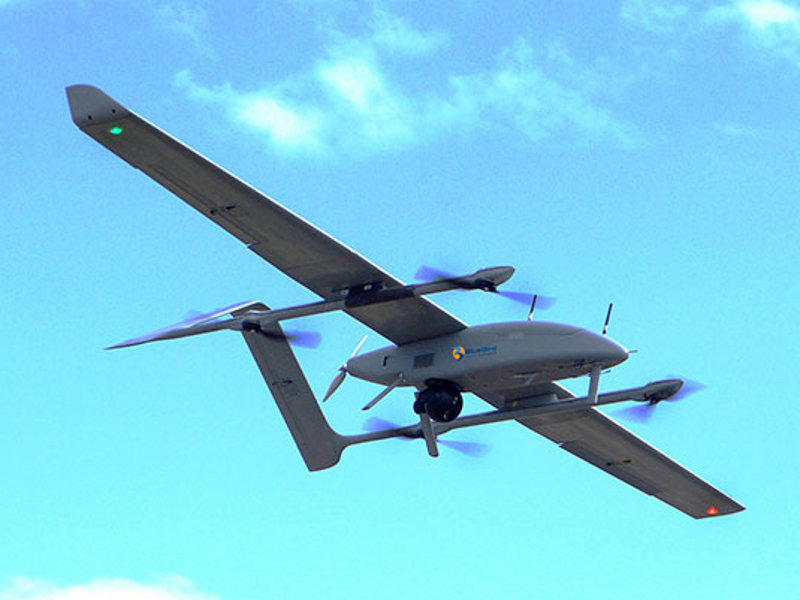
Boeing's choice of Zipline as the acquisition target lies in the high complementarity and strategic alignment of their respective advantages. Founded in 2014, Zipline is the only drone logistics company in the world that has achieved large-scale operations. Since launching its first commercial drone delivery service in Rwanda in 2016, it has built a mature medical delivery network in many countries around the world, completing more than 700,000 medical supply deliveries, covering key supplies such as blood, vaccines and emergency medicines, and serving over 25 million customers. Its fixed-wing long-range design, precise parachute airdrop system and AI-driven scheduling technology have been fully verified in operations in complex terrain and remote areas in Africa, forming an irreplicable "technology + operation" barrier.
For Boeing, Zipline's large-scale operational experience and accumulation of medical logistics scenarios will quickly fill the gap in its low-altitude logistics sector. For a long time, Boeing has focused on the traditional aviation manufacturing and manned aviation fields, with profound accumulation in aviation engineering, airworthiness certification, global supply chain layout and other aspects. After this acquisition, Boeing will integrate its own technological advantages with Zipline's operational capabilities to promote the standardization and large-scale development of drone medical logistics. A relevant person in charge of Boeing stated at the acquisition press conference that this integration will focus on the core needs of medical emergency delivery, upgrade drone technology and delivery systems relying on Zipline's existing network, and accelerate the construction of a transnational emergency rescue network.
The core strategic goal of this acquisition is to realize Boeing's vision of "30-minute delivery in 85% of cities worldwide by 2027". The proposal of this goal not only demonstrates Boeing's determination to deploy low-altitude medical logistics but also aligns with the upgrading needs of the global medical emergency system — the treatment of acute diseases such as acute myocardial infarction and severe trauma is highly dependent on the timeliness of emergency supplies. The commitment of 30-minute delivery will greatly shorten the emergency response time and improve the overall efficiency of global medical emergency care. To achieve this goal, Boeing will increase R&D investment after the acquisition, optimize the endurance and load efficiency of Zipline's drones, and at the same time integrate global aviation hub resources to build intercontinental low-altitude medical logistics channels, promote the transnational rapid deployment of medical supplies, and especially provide more convenient medical supply guarantees for remote areas with weak infrastructure.
Industry experts analyze that Boeing's acquisition of Zipline will reshape the competitive pattern of the global low-altitude medical logistics. Previously, the low-altitude medical logistics sector was dominated by small and medium-sized technology enterprises, lacking global resource integration capabilities and large-scale technology application strength. Boeing's entry will drive industry technological upgrading and standard improvement, promoting low-altitude medical logistics from "regional pilot" to "global popularization". At the same time, this acquisition also provides a reference path for the transformation of traditional aviation enterprises — relying on their core advantages, cross-border integration of high-quality resources in emerging fields, realizing the diversified extension from "manned aviation" to "low-altitude logistics", and tapping new growth potential.
Of course, Boeing still faces many challenges in realizing its strategic vision. At present, the global regulatory policies for low-altitude flight have not been fully unified. Problems such as poor coordination of cross-regional airspace approval and non-standard industry technical standards are still key bottlenecks restricting the large-scale development of low-altitude logistics. In addition, how to realize the in-depth integration of Boeing's traditional aviation technology and Zipline's drone technology, optimize operational costs, and improve the stability and coverage of the delivery network also requires long-term exploration and practice.
In general, Boeing's $4.3 billion acquisition of Zipline is a strategic layout in line with industry trends, and more importantly, an important signal that traditional aviation giants are embracing the low-altitude economy. With the deepening of the integration between the two parties and the gradual improvement of the global low-altitude regulatory environment, it is expected to gradually realize the full coverage of the global low-altitude medical logistics network, making "30-minute medical emergency delivery" the global norm. This will not only rewrite the pattern of global medical logistics but also inject new momentum into the cause of human health protection, opening a new chapter of low-altitude economy empowering public services.